Nimma Engineering & Automation
Service profile

Earthing System: Design, Installation & Testing

Earth pits, earth grids and lightning protection earthing, tested and recorded.

Request a quote Download PDF

Earthing System: Design, Installation & Testing

What is an earthing system?

Earthing (grounding) connects the metal parts of an electrical system to the general mass of earth through a low-resistance path. It is the foundation of electrical safety: when a fault happens, current finds a safe path to ground, the breaker or fuse trips quickly, and nobody is exposed to a dangerous voltage.

A good earthing system also protects equipment from lightning and surges, gives sensitive electronics a steady voltage reference, and is needed in almost every building, factory and substation.

Nimma designs, installs, tests and maintains complete earthing systems, from a single earth pit for a home to an earth grid for a substation or plant.

Scope of work

  • Pipe, rod, plate and chemical (maintenance-free) earth electrode installation
  • Earth grid, strip and mesh earthing for substations, generators and plants
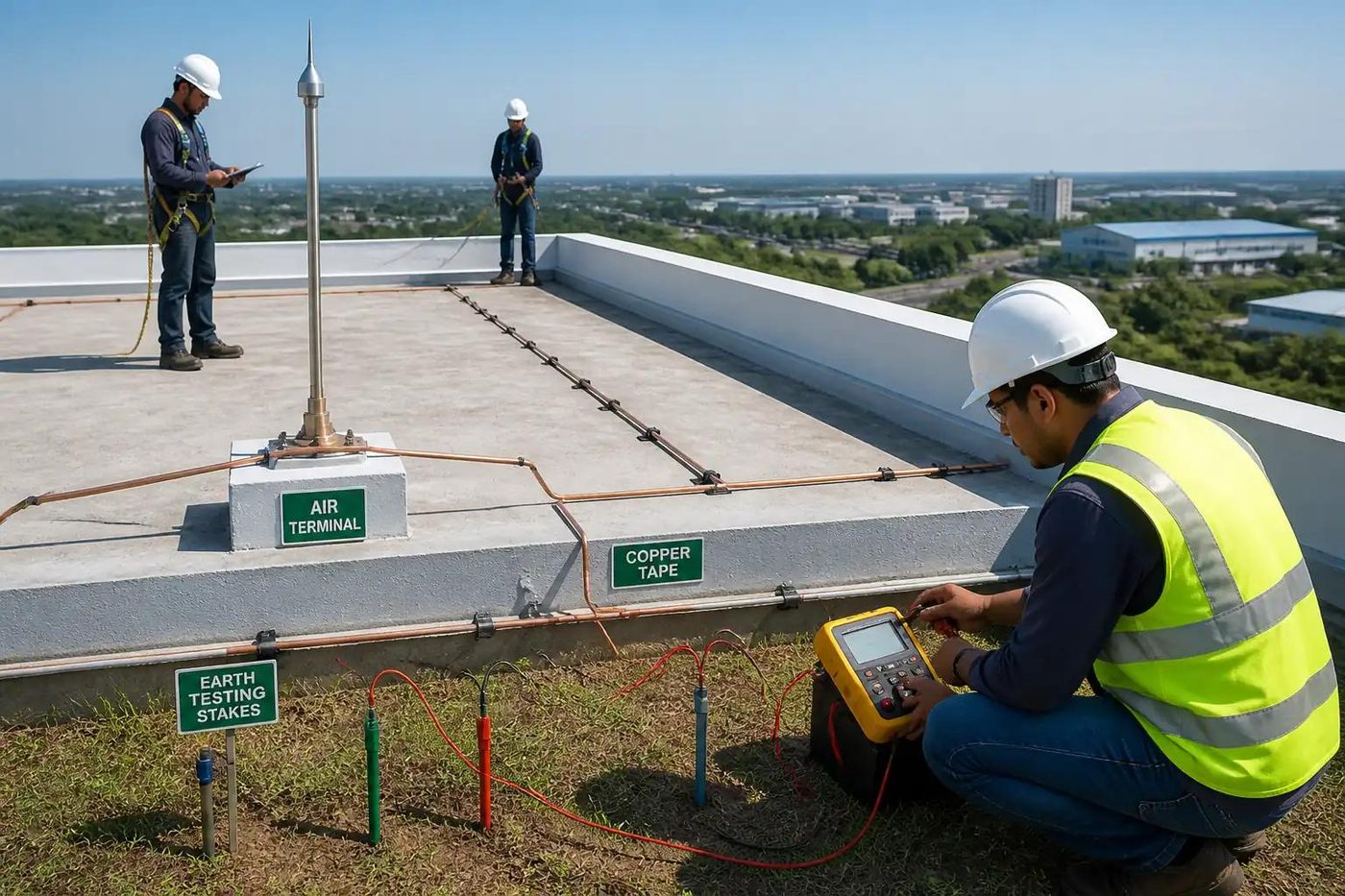
  • Lightning protection earthing, down conductors and equipotential bonding
  • Panel, equipment, cable tray and structure earthing bonded to the main earth bar
  • Earth resistance and soil resistivity testing with a recorded test report

Our expertise

  • Soil resistivity survey and electrode design
  • Earth resistance (fall-of-potential) testing
  • Exothermic welding and corrosion-resistant joints
Why it matters

What a good earthing system does

Protects people

Keeps touch and step voltage low, so metal enclosures never stay live after a fault.

Trips protection fast

Gives fault current a low-resistance path so breakers, fuses and RCDs operate quickly.

Protects equipment

Carries lightning and surge energy safely to ground, away from motors, drives and electronics.

Steady reference

Provides a stable zero-volt reference for panels, PLCs, UPS and sensitive instruments.

Types of earthing

Earthing systems we install

The right type depends on the soil, the space and the load. We choose after measuring, not by guessing.

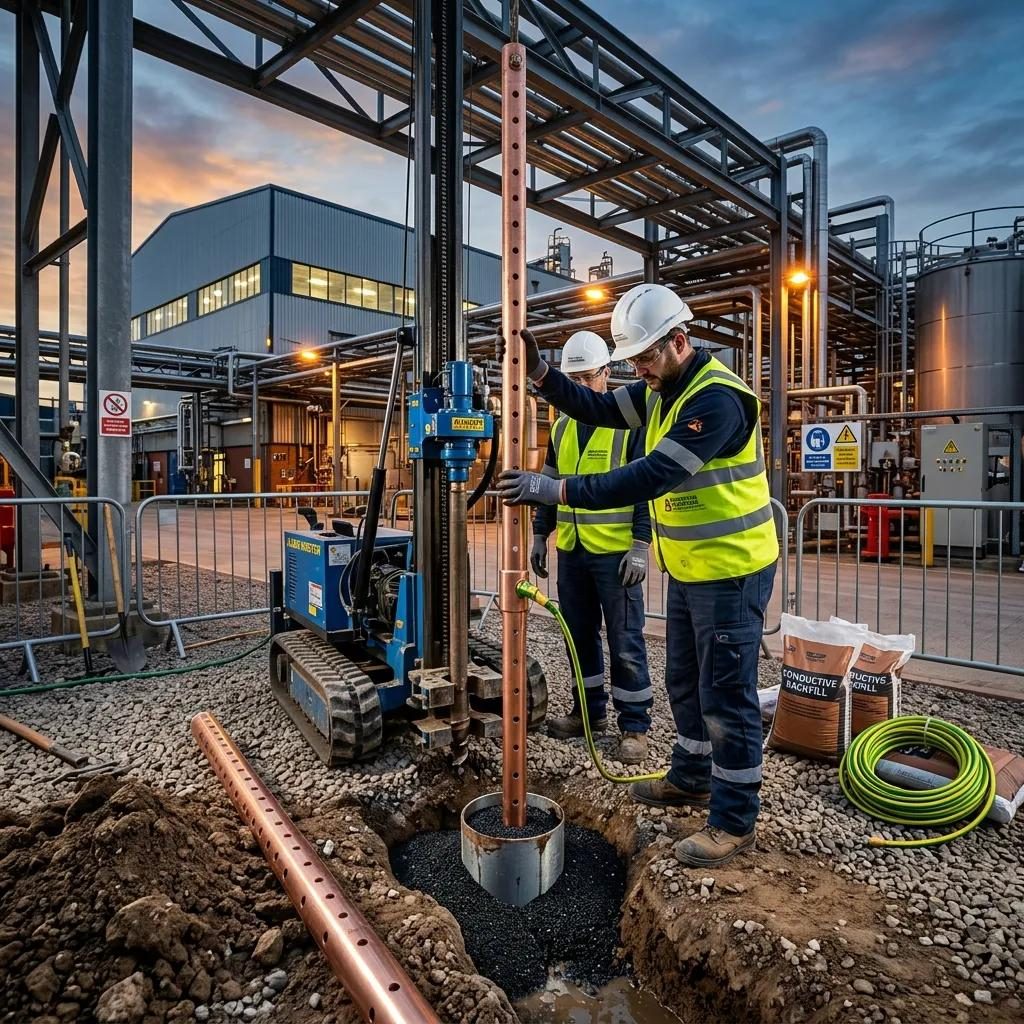
Engineers driving a copper-bonded earth rod at an industrial site

Pipe & rod earthing

GI pipe or copper-bonded rod driven to depth, with a pit, backfill and inspection cover. The usual solution for buildings and small plants.

Earth electrode in a pit surrounded by conductive backfill

Chemical (maintenance-free) earthing

Electrode surrounded by a conductive, moisture-holding compound for stable low resistance in dry or rocky ground.
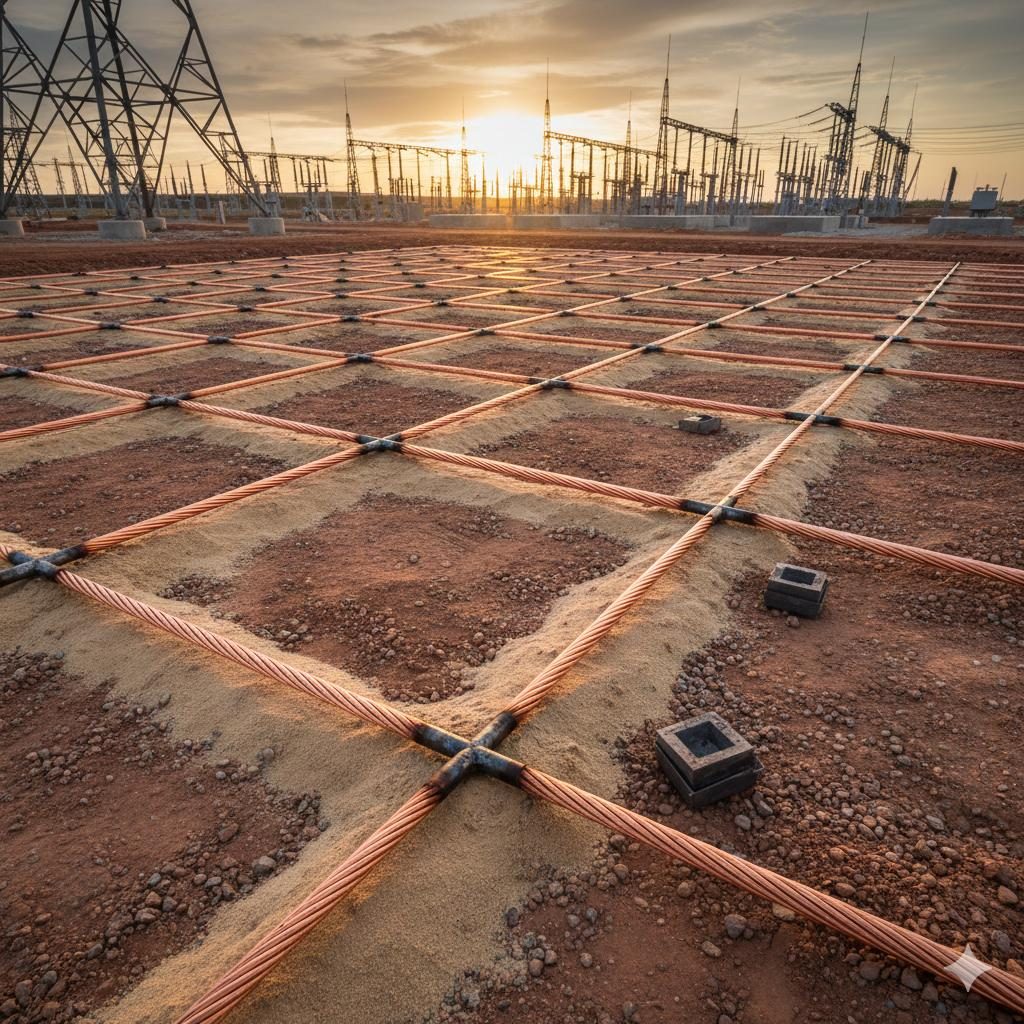
Copper earth grid laid out across a substation yard

Earth grid & mesh

A buried grid of copper or GI strip with several electrodes, for substations, generators and plants that need very low resistance.
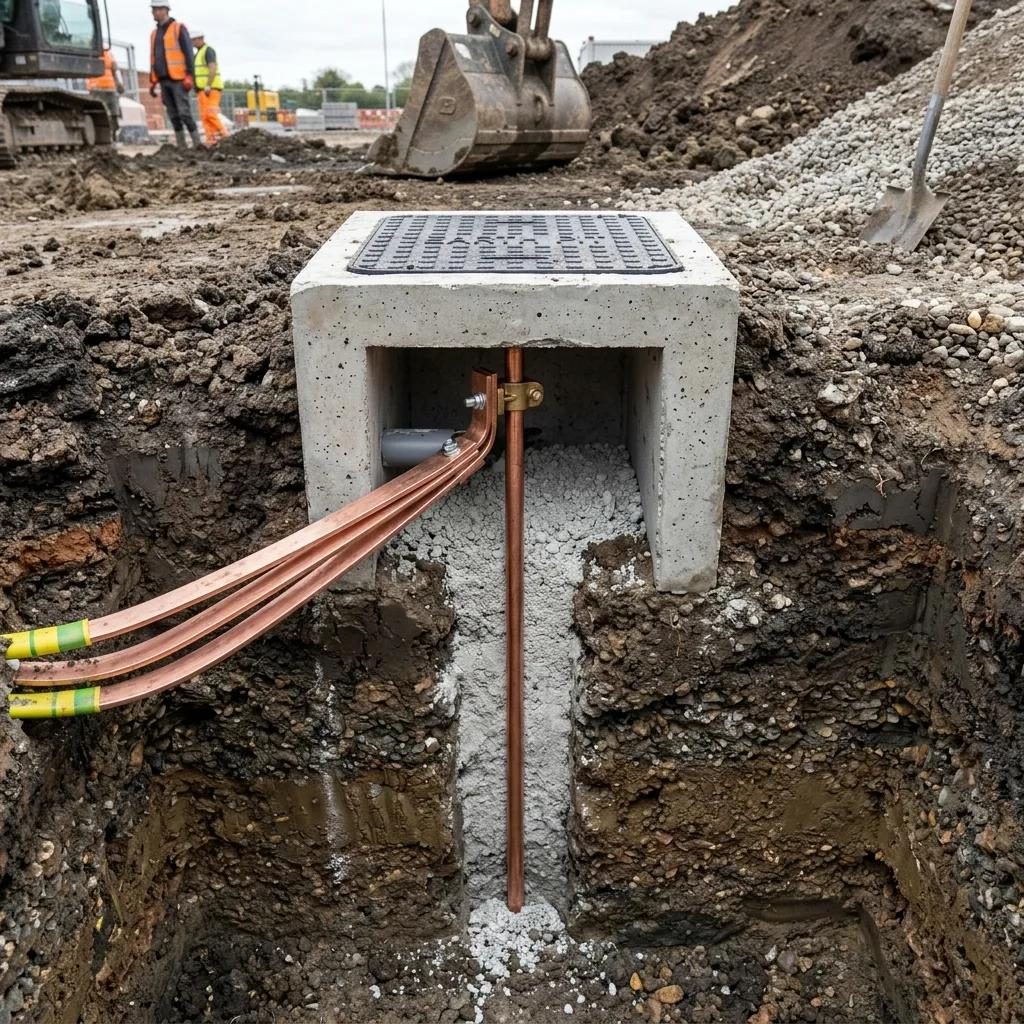
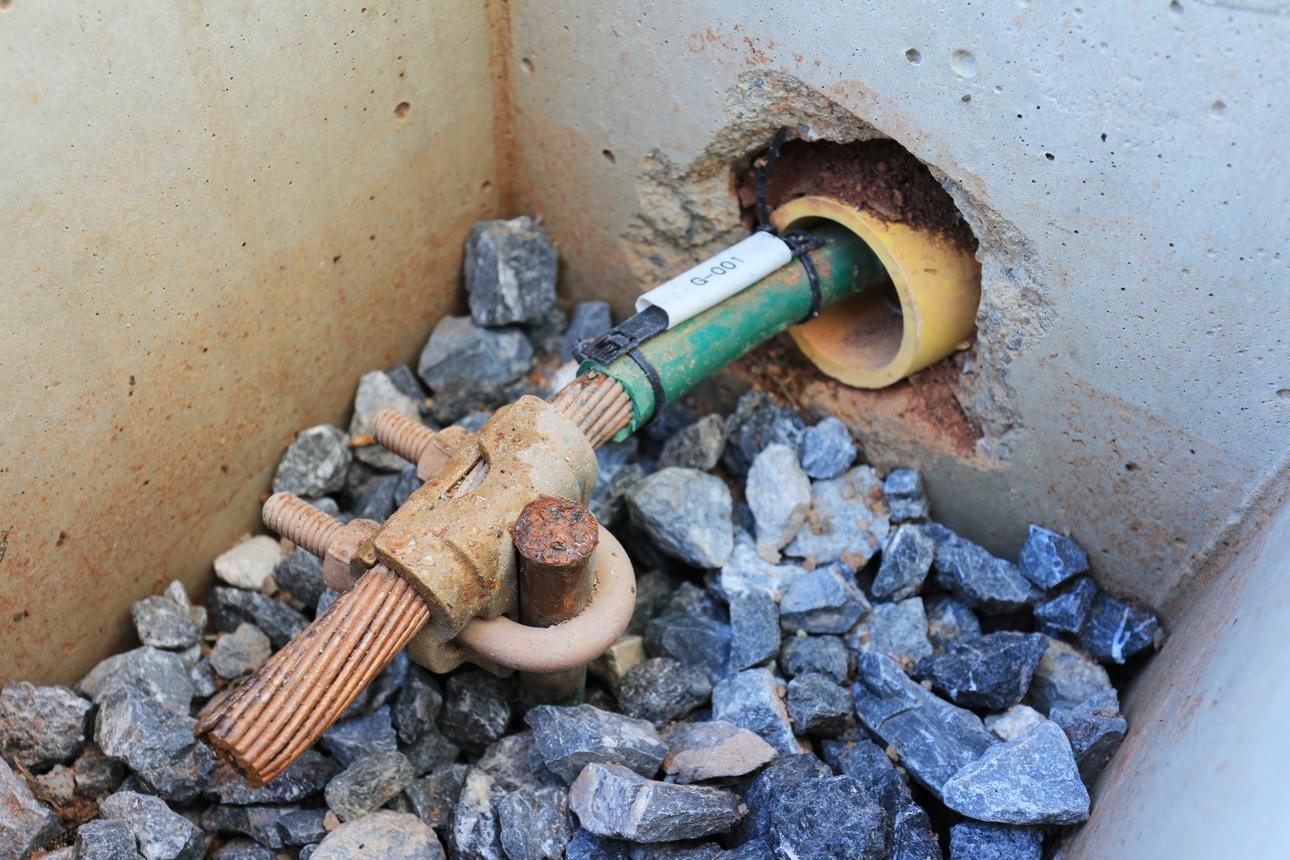
Concrete inspection chamber over an earth electrode with copper conductors

Inspection pits & test points

Every electrode gets a labelled inspection chamber with a test link, so resistance can be checked without digging.

Also available
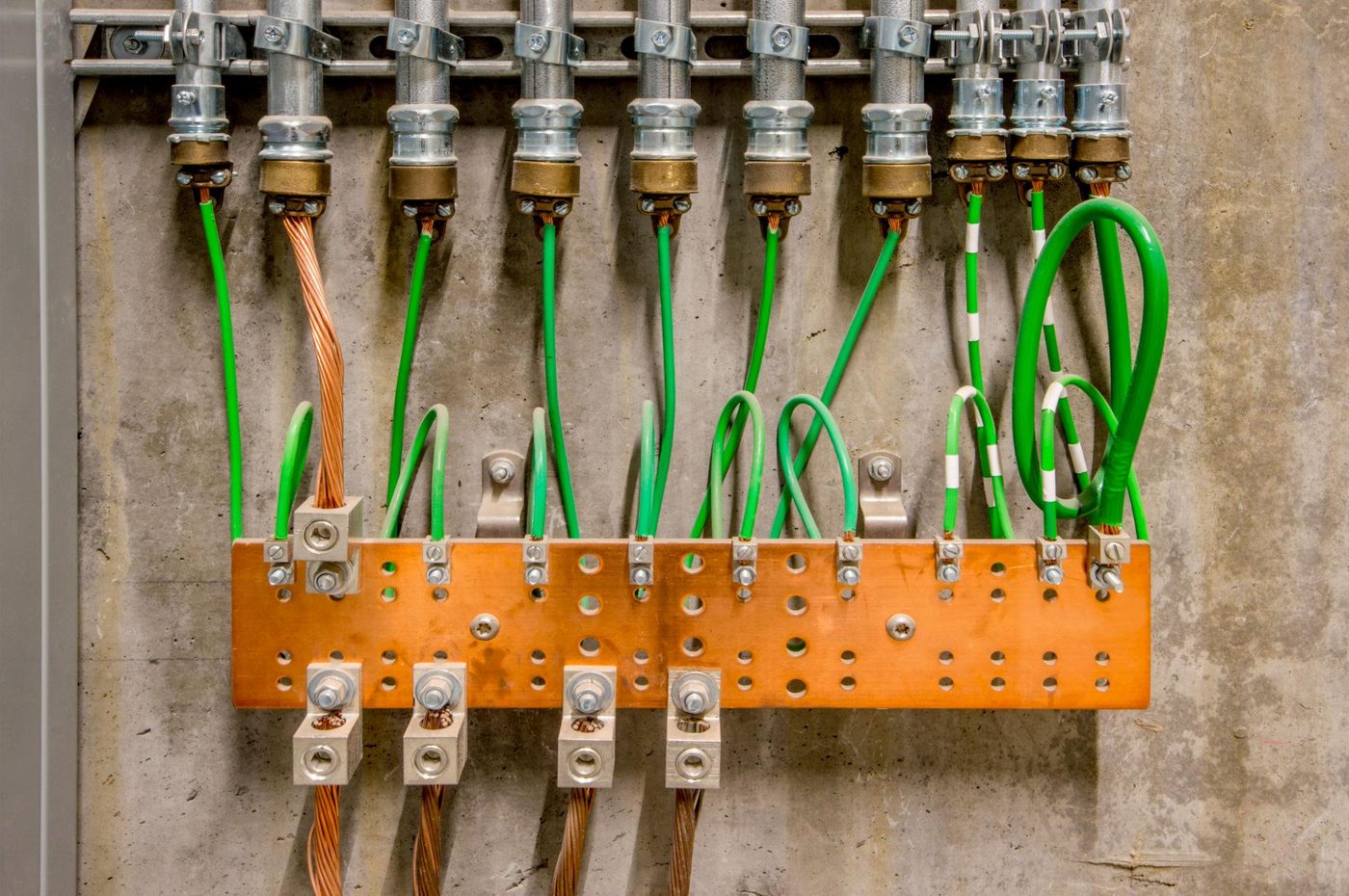
  • Plate earthing (copper / GI)
  • Strip earthing
  • Lightning protection earthing
  • Equipment & structure bonding
  • Main earth bar & terminals
  • Surge protection earthing
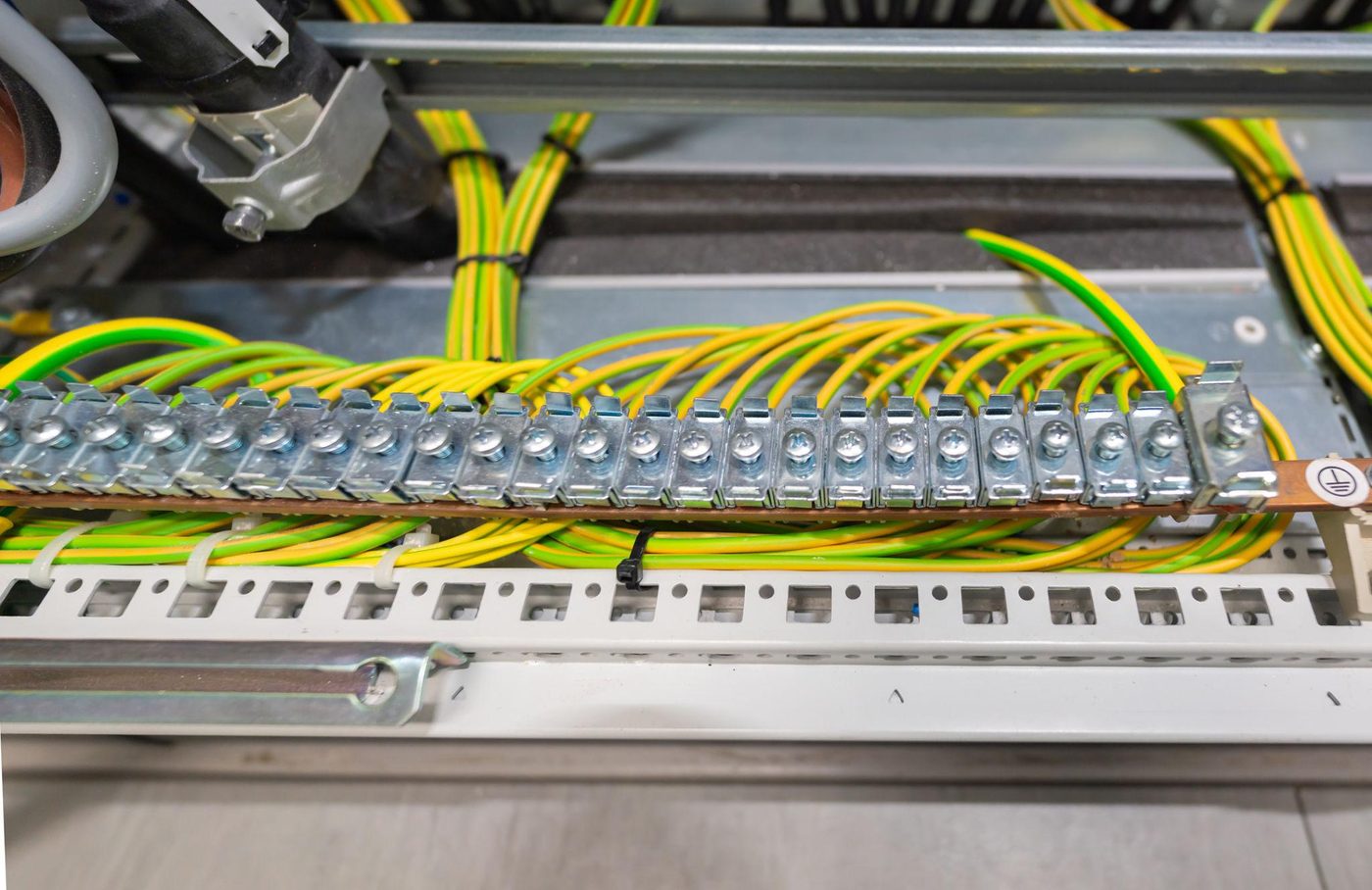
Copper earth bar with labelled connections
Green-yellow earth conductors terminated on an earth bar
Materials & workmanship

Joints that stay tight and clean for years

An earth system is only as good as its weakest joint. We use proper materials and make every connection to last.

  • Copper-bonded rods, GI pipes, copper and GI plates, copper and GI strips
  • Exothermic (weld) or compression joints for lasting, low-resistance connections
  • Green-yellow marked earth conductors, sized for the fault level
  • Earth bars with labelled, bolted connections
  • Bentonite or chemical backfill where soil resistivity is high
  • Inspection chamber with cover and test link at every electrode
Testing & verification

We measure it, we do not assume it

The target resistance depends on the project specification and the standard that applies (for example BNBC, IEC 62305 for lightning protection, or the utility requirement). We agree the target with you before work starts and record the measured value.
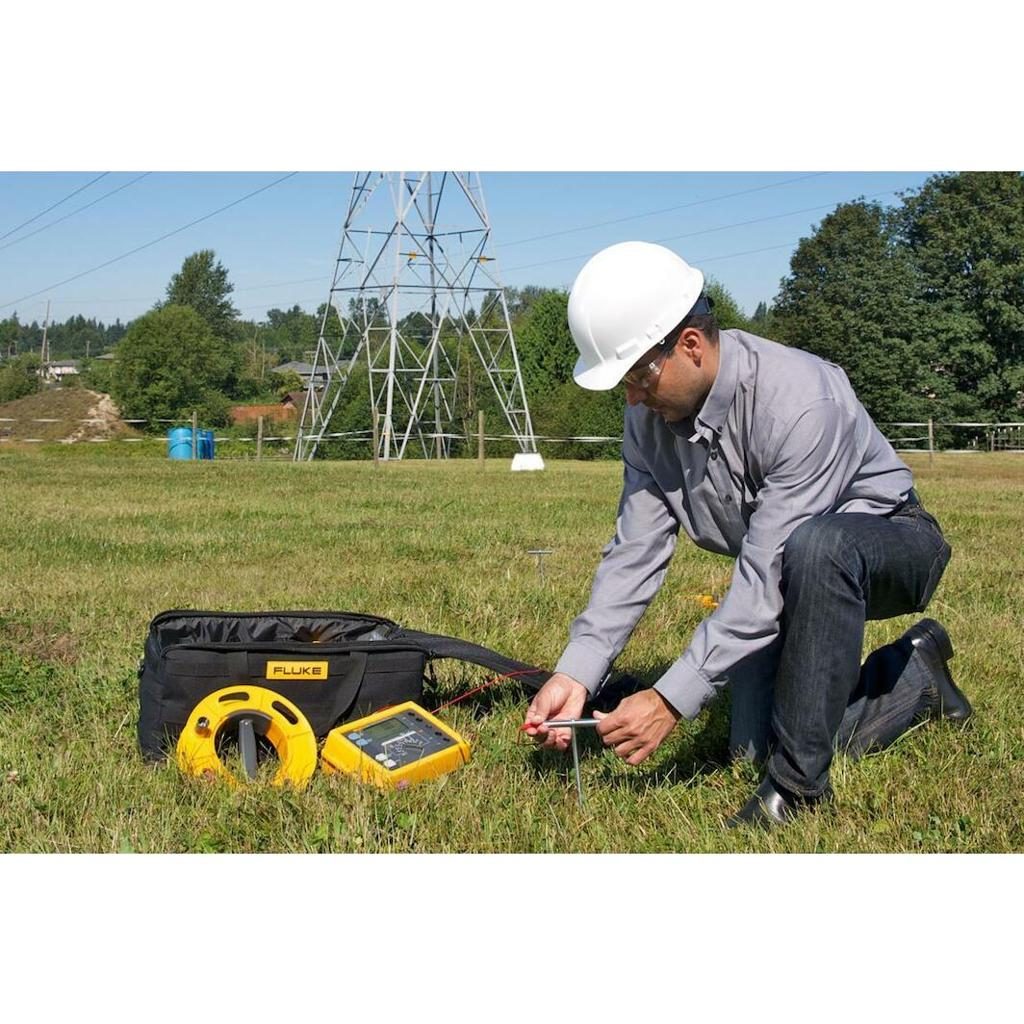
Book an earth test

Engineer measuring earth resistance in the field
01

Earth resistance test

Measured on each electrode and on the combined system with the fall-of-potential method.

02

Soil resistivity survey

Four-pin (Wenner) readings before design, so electrode type and depth match the soil.

03

Continuity & bonding

Checks that panels, trays, structures and equipment are properly bonded to the main earth bar.

04

Recorded report

Measured values, electrode locations and test date handed over with the project documents.
Where we install

From a single house to a substation yard

  • Residential & institutional buildings
  • High-rise & commercial buildings
  • Factories & industrial plants
  • Substations, transformers & generators
  • Solar plants & telecom towers
  • Hospitals, labs & data rooms

Industries we serve

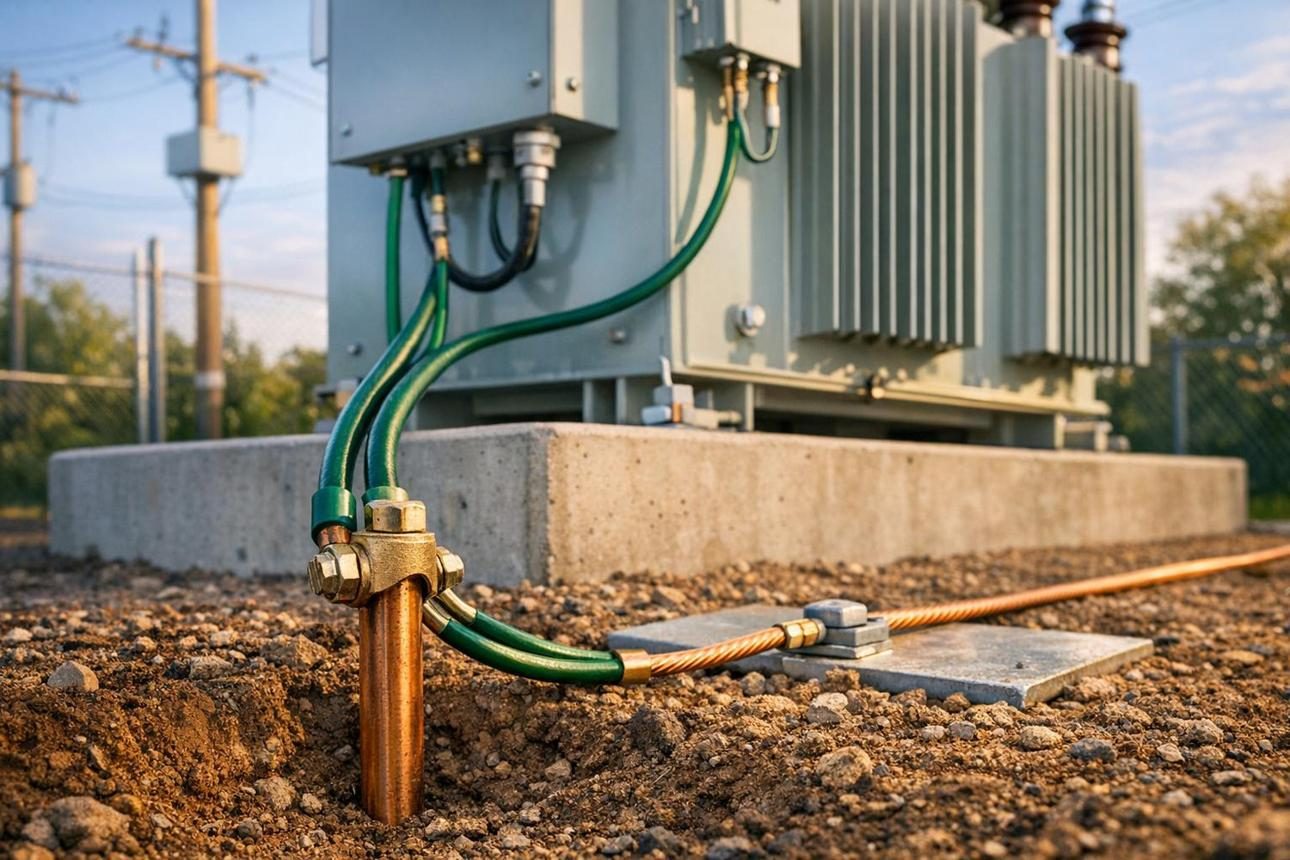
Transformer and switchgear earthing connections
Our process

How an earthing job runs

  1. 1Site visit & soil surveyWe check the site, the space available and the soil resistivity.
  2. 2Design & quotationElectrode type, number, depth, conductor size and target value, with a clear price.
  3. 3InstallationPits, electrodes, backfill, welded or bolted joints and bonding connections.
  4. 4Test & verifyEarth resistance and continuity measured and compared with the target.
  5. 5Handover & maintenanceReport, drawings and a periodic test plan for the years ahead.
Earthing FAQ

Questions we hear often

Read: why earthing matters

How often should earthing be tested?

At least once a year, and after any major change to the installation or a nearby lightning strike. Resistance can rise as the soil dries out or joints corrode, so regular readings catch problems early.

Which type of earthing is right for my site?

It depends on soil resistivity, available space, fault level and the standard you must meet. After a site visit we recommend rod, plate, chemical or grid earthing, or a combination.

Can you improve an existing earthing system that reads high?

Often yes. We test it, find the cause (dry soil, corroded joints, too few electrodes), then add electrodes, treat the soil or replace joints, and test again.

Do you also do lightning protection?

Yes. We install air terminals, down conductors and the matching earth termination, and bond them to the building earthing as the design requires.

Planning an electrical or automation project?

Tell us what you need. We reply with a plan and a quotation.

Request a quote +880 1716404977

CallWhatsAppQuote